Basque Burnt Cheesecake: The Iconic Dessert You Need to Try
In the vast world of desserts, few have captured hearts and palates quite like the Basque Burnt Cheesecake. This isn't just another cheesecake; it's a culinary paradox—a dessert celebrated for its intentional imperfections, its gloriously "burnt" exterior, and a wonderfully creamy, almost custard-like interior. Hailing from the picturesque Basque Country in Spain, specifically San Sebastián, this iconic treat has transcended its origins to become a global sensation. If you're looking for a dessert that offers both rustic charm and sophisticated flavor, the Basque Burnt Cheesecake is an absolute must-try.
Beyond the Burn: Unveiling the Magic of Basque Burnt Cheesecake
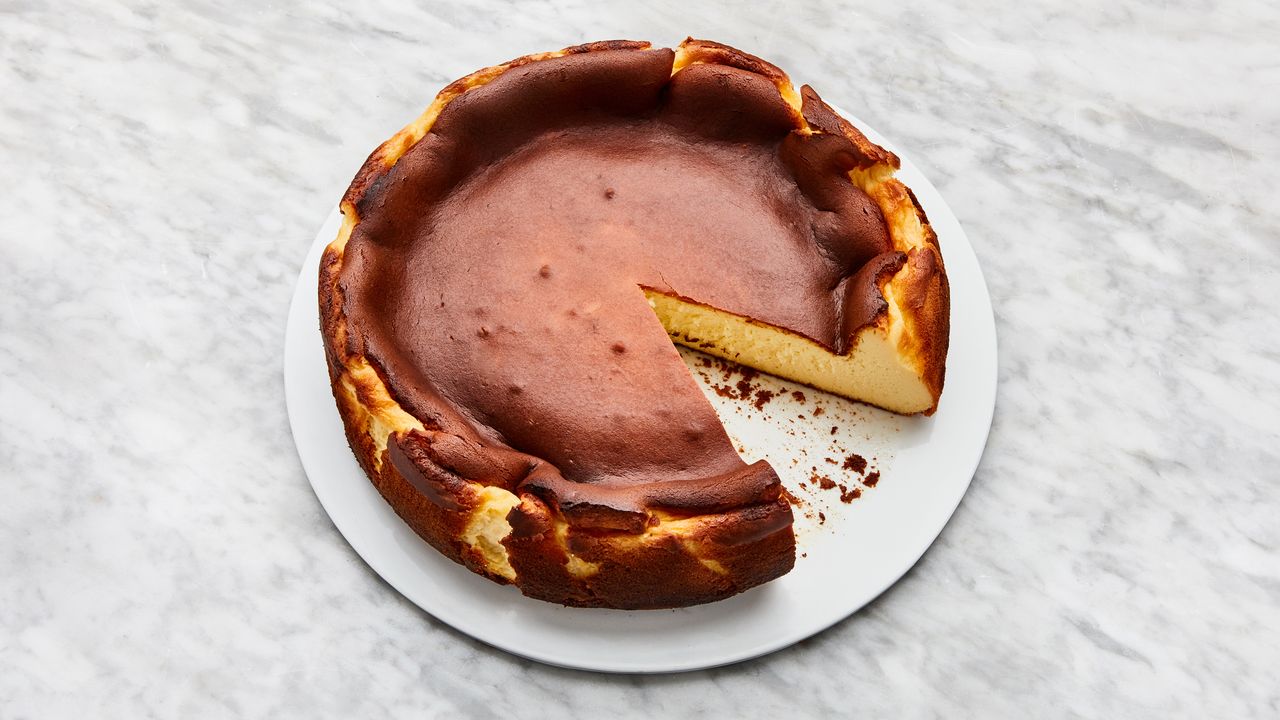
Imagine a cheesecake that defies all conventional notions of perfection. No perfectly smooth, pale surface. No crisp biscuit crust. Instead, the Basque cheesecake proudly displays a deeply caramelized, often cracked, and uneven top that looks almost accidental. Yet, this "burnt" characteristic is precisely what makes it extraordinary. It’s an intentional act of baking at high temperatures, pushing the sugar and dairy to the brink of caramelization, resulting in a flavor profile that is both complex and utterly irresistible.
The genesis of this marvel can be traced back to La Viña, a renowned restaurant in San Sebastián, where Chef Santiago Rivera invented it in 1990. His creation was a bold departure from traditional cheesecakes, embracing a more rustic, no-fuss approach that emphasized flavor and texture over pristine aesthetics. This philosophy has resonated deeply with home bakers and professional chefs alike, cementing its status as a beloved dessert. It’s a testament to the idea that sometimes, breaking the rules leads to the most delicious outcomes.
The Distinctive Charm: What Defines a Basque Cheesecake?
At its core, the Basque cheesecake is a baked cheesecake, but its distinguishing features set it apart from its cousins like the dense New York-style or the airy Japanese cotton cheesecake. Here’s what makes it truly unique:
- The "Burnt" Exterior: This is its signature. The high baking temperature caramelizes the surface, creating a dark, almost bittersweet crust that provides a delightful textural contrast and a deep, complex flavor reminiscent of crème caramel. It’s the antithesis of a gently browned cheesecake.
- Crustless Construction: Unlike most cheesecakes that rely on a graham cracker or biscuit crust, the Basque cheesecake is proudly crustless. The baking parchment paper that lines the springform pan provides a natural, slightly crinkled "crust" on the sides, which offers its own subtle char and a unique visual appeal. You won't miss the biscuit crust, we promise!
- Luxuriously Creamy Interior: Beneath that dark exterior lies a marvelously creamy, often slightly gooey, and incredibly light interior. Its texture is often described as mousse-like or custard-like, achieving a perfect balance between rich indulgence and delicate airiness. It's sweet enough to satisfy but never cloyingly so.
- Simple Ingredient List: Despite its sophisticated appeal, a true Basque cheesecake relies on a handful of basic ingredients: cream cheese, sugar, eggs, and heavy cream. This simplicity puts the focus squarely on technique and the quality of the ingredients, making it accessible for home bakers.
This dessert has truly become a cultural phenomenon, inspiring countless adaptations and capturing the imagination of food enthusiasts worldwide. For more on its rapid rise to fame, check out The Basque Cheesecake Craze: Why This Burnt Dessert Is So Easy & Delicious.
A Symphony of Flavors and Textures: The Basque Experience
The first spoonful of a well-made Basque Burnt Cheesecake is an experience in itself. The initial resistance of the caramelized top gives way to an astonishingly smooth, melt-in-your-mouth interior. The flavors dance on your palate—the deep, slightly bitter notes of caramel from the "burnt" parts mingle harmoniously with the creamy, vanilla-infused sweetness of the cheesecake base. Many find the combined effect wonderfully similar to a rich crème brûlée or crème caramel, offering both nostalgia and novelty in one bite.
Its texture is perhaps its most captivating feature. It's light, almost airy, yet incredibly substantial and satisfying. It occupies a unique space on the cheesecake spectrum, being significantly lighter than a dense New York cheesecake but more robust than a soufflé-like Japanese cotton cheesecake. This makes it feel incredibly luxurious without being overly heavy, allowing you to savor each bite without feeling overwhelmed.
Don't be surprised if you find yourself reaching for another slice. The interplay of textures—the crisp, almost brittle crust, the incredibly smooth body, and the occasional soft, custardy pocket—makes every forkful an adventure. This delightful dessert is often served at room temperature, which further enhances its creamy texture and complex flavors, allowing them to fully bloom.
Baking Your Own: Mastering the Iconic Basque Cheesecake at Home
One of the most appealing aspects of the Basque cheesecake is its surprising ease of preparation. Despite its gourmet appearance and high price tag in specialty bakeries (often $60+), making one at home is remarkably straightforward. The forgiving nature of the "burnt" exterior means less pressure for aesthetic perfection, allowing you to focus on flavor and texture.
Key Ingredients and Their Importance:
- Cream Cheese: Opt for full-fat cream cheese. Brands like Philadelphia are popular choices for their consistent quality, but most full-fat block or even tub spreadable cream cheeses will work beautifully. Crucially, avoid low-fat versions, as they lack the necessary fat content to set properly, resulting in a runny cheesecake.
- Eggs: Precision here is paramount. Eggs play a critical role in the cheesecake's structure and texture. Since egg sizes can vary wildly, it's highly recommended to measure your eggs by weight or volume. Too little will lead to a cheesecake that won't set, while too much can make it denser than desired. A common measurement is around 200-220g (approx. 4-5 large eggs) once whisked.
- Heavy Cream: Full-fat heavy cream (at least 35% milk fat) contributes to the rich, creamy texture and helps achieve that desired mousse-like consistency.
- Sugar: Granulated sugar is typically used. The amount can be adjusted slightly to taste, but it's essential for both sweetness and the caramelization process.
Tips for a Perfect Homemade Basque Cheesecake:
- Room Temperature Ingredients: Ensure all your dairy ingredients (cream cheese, eggs, cream) are at room temperature. This allows them to combine smoothly without lumps, resulting in a silky batter.
- High Heat Baking: The signature "burnt" top is achieved by baking at a very high temperature (often 400-425°F or 200-220°C) for a relatively short period. Don't be afraid of the dark color; it's what you want!
- Parchment Paper Lining: Line your springform pan with parchment paper, allowing it to extend well above the rim. This protects the cheesecake, helps it climb, and creates those distinct, crinkled sides.
- No Water Bath: Unlike many traditional cheesecakes, the Basque version requires no water bath, simplifying the process significantly.
- Cooling Process: After baking, the cheesecake will be incredibly jiggly in the center. Allow it to cool completely at room temperature, then ideally chill it in the refrigerator for several hours or overnight. This allows the center to set fully and enhances the creamy texture.
Crafting this dessert at home is not only rewarding but often yields superior results compared to store-bought versions that can sometimes be too dense, too sweet, or have an unappealing dry band at the base. For a step-by-step guide to making your own, consult Authentic Basque Cheesecake: Master the Creamy, Crustless Treat at Home.
Conclusion
The Basque Burnt Cheesecake is more than just a dessert; it's a statement. It challenges conventional beauty standards in baking, proving that true deliciousness often lies in embracing the unexpected. With its striking "burnt" exterior and an interior that is an ethereal dream of creaminess and vanilla, it promises an unparalleled sensory experience. Whether you're a seasoned baker or a curious novice, creating this iconic dessert at home is an achievable and immensely satisfying endeavor. So, go ahead, embrace the burn, and discover why this Spanish masterpiece has become a global obsession. Your taste buds will thank you.
